These guides follow one shape so you can compare problems side by side: what it is in a sentence, the signs in the order you notice them, the problem it gets mistaken for and the single detail that tells them apart, then treatment from the gentlest step upward. Chemical controls are named only by type. The product label and your local extension service decide the rest.
Pests
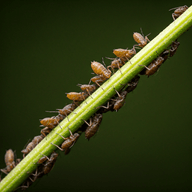
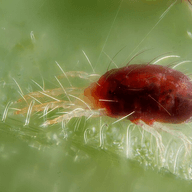
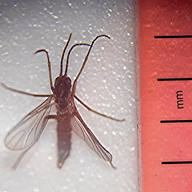
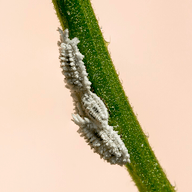
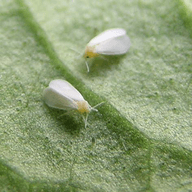
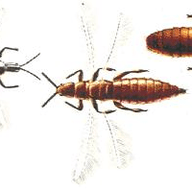
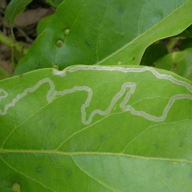
Insects and mites that feed on sap or leaf tissue. Most announce themselves with honeydew, webbing, holes or distorted new growth before you see the animal.
-
-
-
-
-
-
-
Fungal diseases
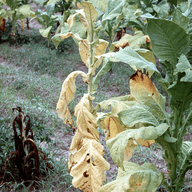
Spots, powders, molds and rots. Fungi spread on wet leaves and in still air, so airflow and watering habits matter as much as any spray.
-
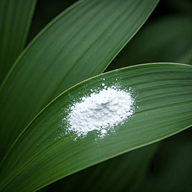
-
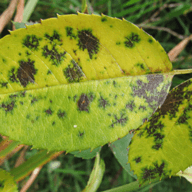
-
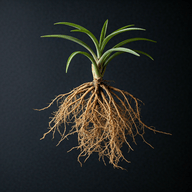
-
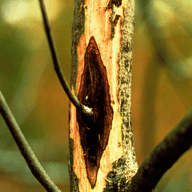
-
-
Water molds
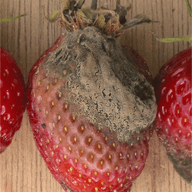
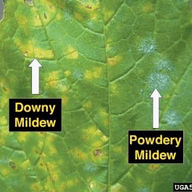
Fungus-like organisms that need free water to spread. Downy mildew and the root-rotting Phytophthora and Pythium belong here.
Stress and viruses
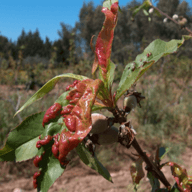
Not every curl or yellow leaf is an infection. Some are the plant reacting to heat, drought or pruning, and some are viruses carried in by insects.
The app's own library covers thirty threats, including bacterial blight, canker, clubroot, damping off, leaf scorch, mosaic virus, nematodes, scale insects, slugs, sooty mold and verticillium wilt. Guides for those follow as they pass review.